
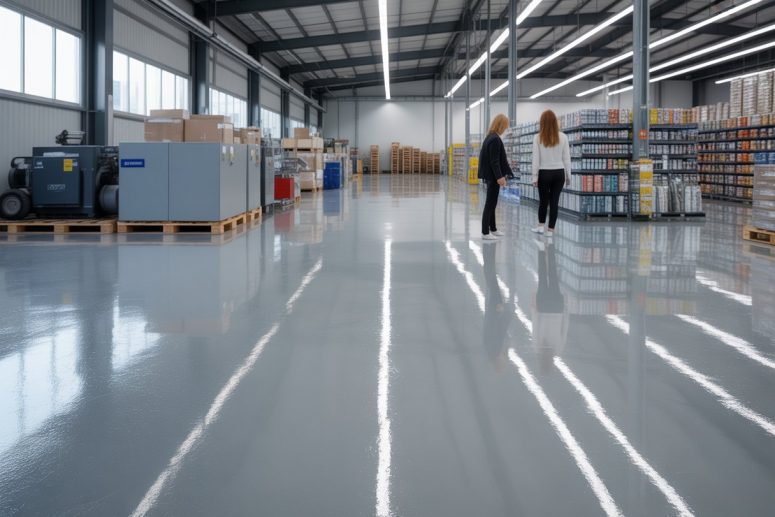
Top 10 Benefits of Epoxy Resin Flooring for Industrial and Retail Spaces: A Comprehensive Guide to Durable Commercial Solutions
Industrial and retail businesses face unique flooring challenges that require surfaces capable of withstanding heavy traffic, chemical exposure, and daily wear whilst maintaining professional appearance. Traditional flooring materials often fail to meet these demanding requirements, leading to frequent repairs, safety hazards, and increased operational costs.
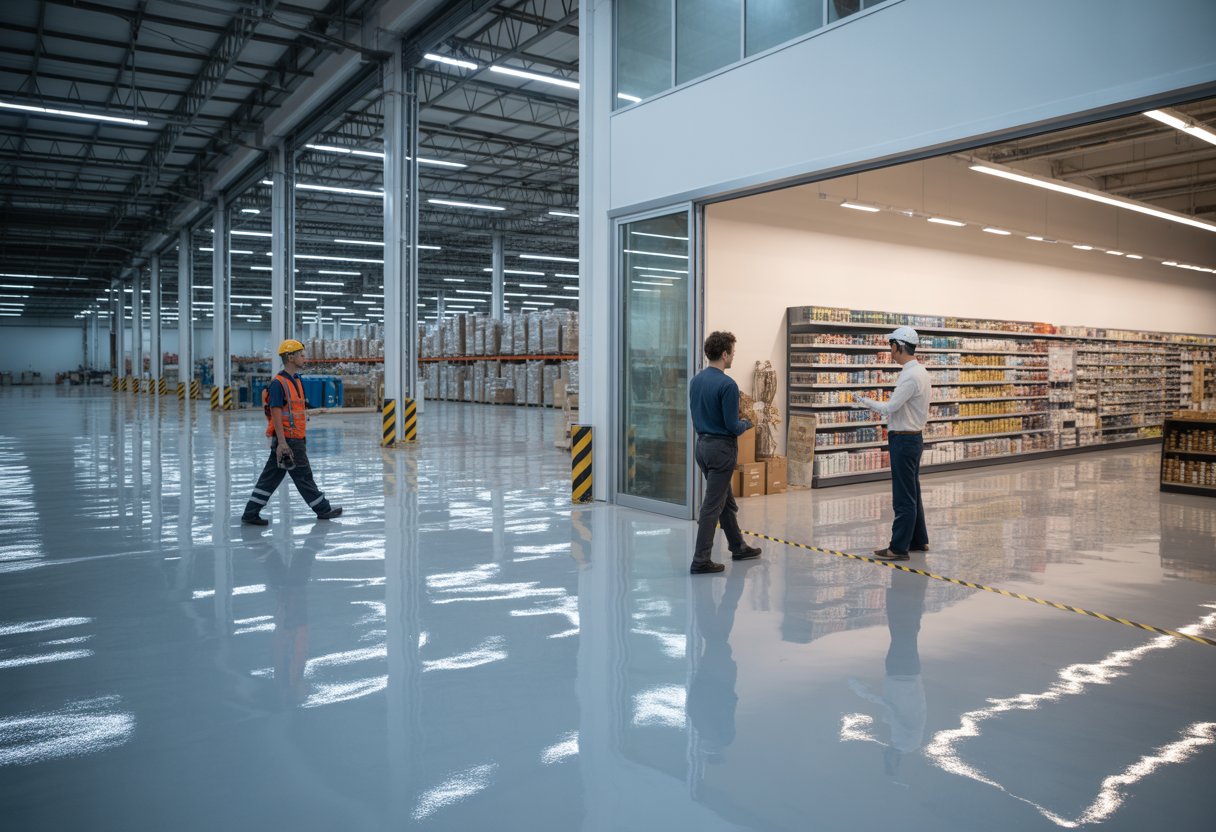
Epoxy resin flooring offers a comprehensive solution that combines exceptional durability, chemical resistance, and design flexibility to meet the specific needs of both industrial facilities and retail environments. This advanced flooring system creates a seamless, non-porous surface that can handle the rigorous demands of manufacturing plants, warehouses, shops, and commercial spaces.
Understanding the key benefits of epoxy resin flooring helps business owners make informed decisions about their flooring investments. From enhanced workplace safety features to long-term cost savings and customisable design options, epoxy systems deliver practical advantages that directly impact operational efficiency and customer experience.
Understanding Epoxy Resin Flooring in Industrial and Retail Spaces
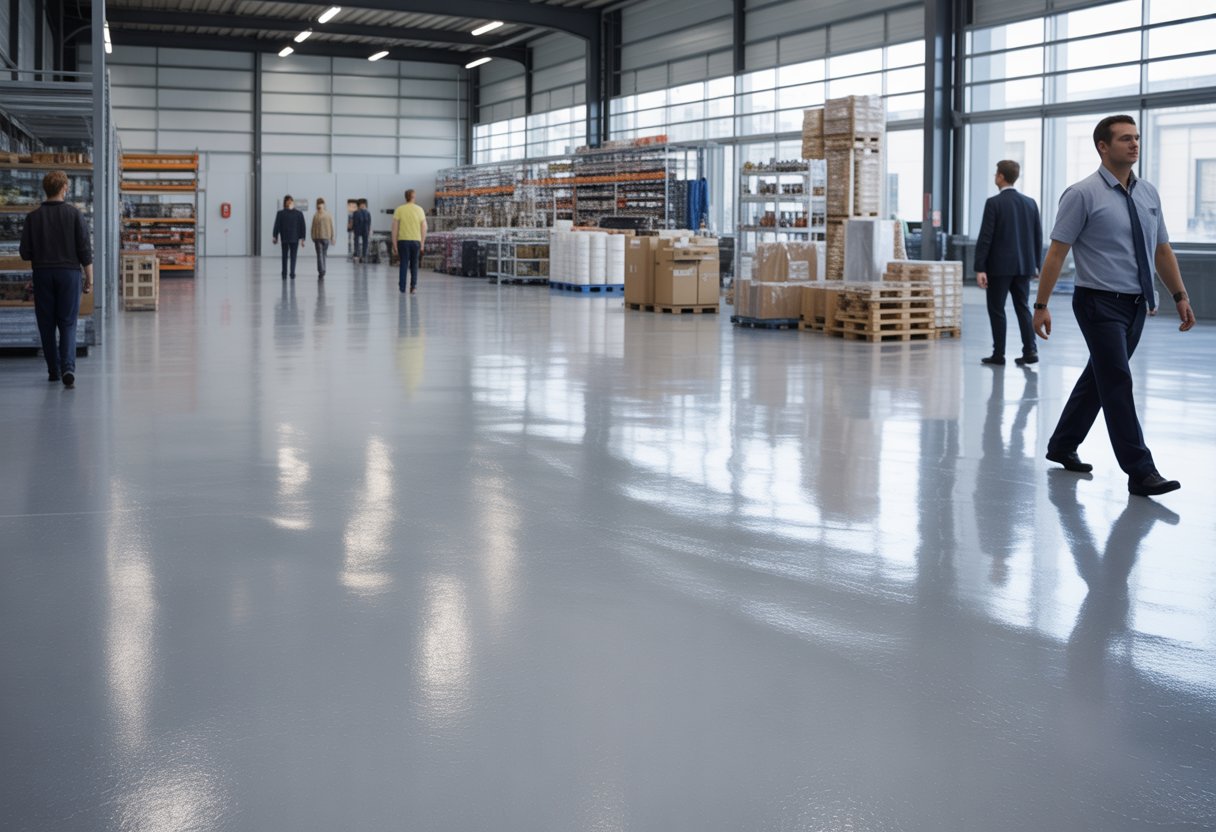
Epoxy resin flooring combines powerful resins with hardening agents to create durable surfaces that handle heavy use, chemical spills, and constant foot traffic. Different types serve specific needs, from self-leveling systems to anti-static solutions, making them suitable for warehouses, factories, shops, and distribution centres.
What Is Epoxy Resin Flooring?
Epoxy resin flooring consists of two main components that work together. The epoxy resin acts as the base material. The hardener creates a chemical reaction when mixed with the resin.
This chemical process forms a strong, seamless surface. The mixture cures to create a solid floor coating that bonds directly to concrete substrates.
Key Components:
- Epoxy resin – provides flexibility and adhesion
- Hardening agent – triggers the curing process
- Additives – enhance specific properties like slip resistance
The cured surface becomes much stronger than the original concrete. It creates a protective barrier that resists damage from chemicals, impacts, and wear. Most epoxy systems require proper surface preparation before application.
Types of Epoxy Flooring Solutions
Different epoxy systems serve specific industrial and retail needs. Self-leveling epoxy creates smooth, level surfaces perfect for warehouses and retail spaces. This type flows evenly across the floor to eliminate imperfections.
Mortar epoxy contains sand or other aggregates for extra strength. Factories and heavy industrial spaces use this type because it handles extreme loads and impact damage.
Anti-static flooring prevents electrical buildup in sensitive areas. Electronics manufacturing and chemical processing facilities require these specialised systems.
| Type | Best For | Key Features |
|---|---|---|
| Self-leveling | Retail shops, offices | Smooth finish, easy cleaning |
| Mortar epoxy | Heavy industry, factories | Maximum durability, impact resistance |
| Anti-static | Electronics, laboratories | Prevents static electricity buildup |
Broadcast systems include decorative chips or quartz for texture and appearance. These work well in retail spaces that need both function and visual appeal.
Where Epoxy Flooring Excels
Industrial spaces benefit most from epoxy’s chemical resistance and durability. Warehouses use epoxy floors to handle forklift traffic and heavy storage loads. Manufacturing facilities rely on the easy-to-clean surface for maintaining hygiene standards.
Industrial applications include:
- Distribution centres and logistics facilities
- Food processing plants
- Automotive workshops
- Chemical storage areas
Retail spaces choose epoxy for its professional appearance and low maintenance needs. Shopping centres and retail stores appreciate the seamless surface that’s easy to keep clean.
The flooring performs well in high-traffic areas where appearance matters. Retail outlets can customise colours and finishes to match their brand identity whilst maintaining durability.
Both sectors value the quick installation process that minimises business downtime. Most epoxy systems cure rapidly, allowing normal operations to resume within days rather than weeks.
Exceptional Durability and Longevity
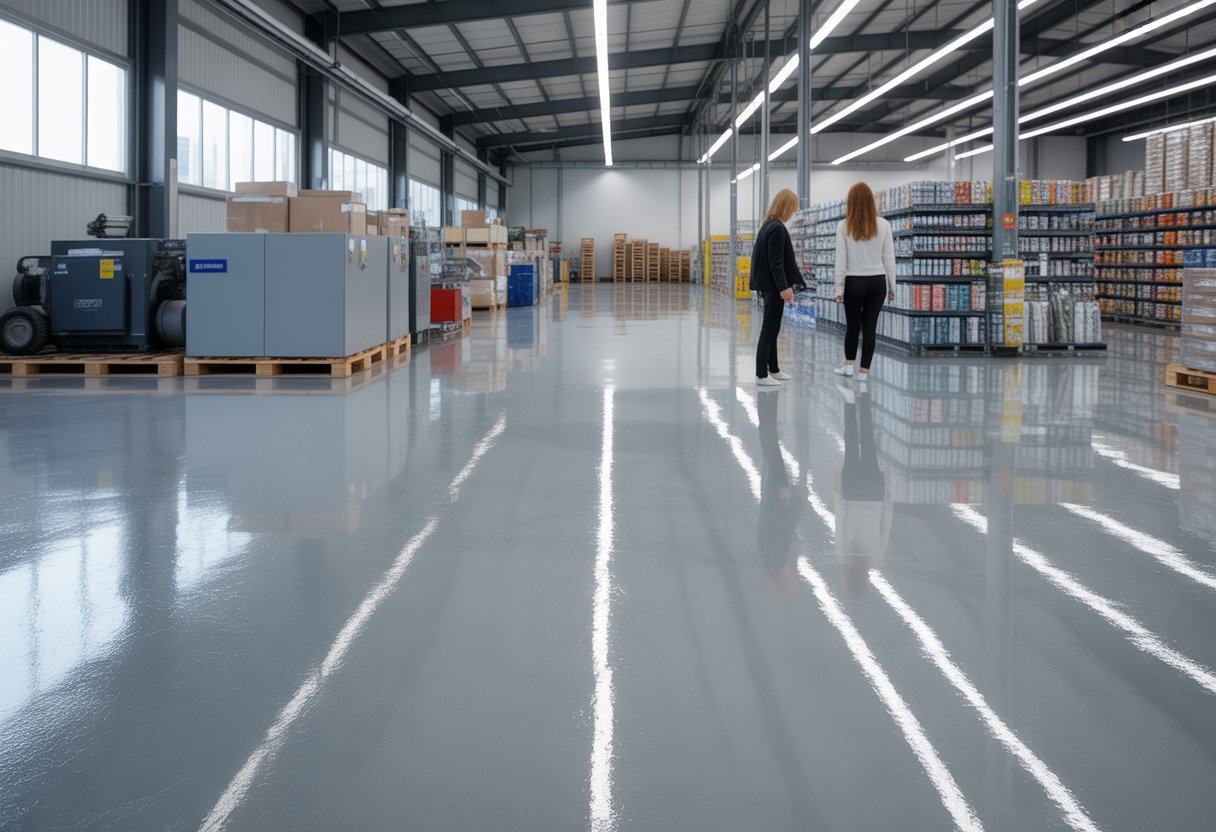
Epoxy resin flooring delivers remarkable durability through its molecular structure, creating surfaces that withstand heavy machinery and constant foot traffic for 10-20 years. This exceptional strength translates into significant cost savings by reducing replacement and repair needs over time.
Withstanding Heavy Traffic and Impact
Industrial epoxy flooring creates an extraordinarily resilient surface through its cross-linked molecular network. This dense structure forms a hard-wearing barrier that resists damage from constant use.
The flooring handles heavy machinery without cracking or chipping. Forklifts, trolleys, and industrial equipment move across the surface without causing permanent damage.
Impact resistance remains consistently high throughout the floor’s lifespan. Dropped tools and equipment rarely leave marks or dents on properly installed epoxy surfaces.
Heavy traffic areas maintain their integrity even under extreme conditions. Warehouses, manufacturing facilities, and busy retail spaces benefit from this robust performance.
The seamless surface eliminates weak points where damage typically begins. Traditional flooring joints and seams often fail first, but epoxy’s continuous surface prevents this problem.
Long-Term Performance and Savings
Epoxy resin flooring delivers 10-20 years of reliable performance when properly maintained. This extended lifespan provides exceptional value compared to traditional flooring options.
Long-term savings accumulate through reduced maintenance costs. The floor requires minimal upkeep beyond regular cleaning, eliminating expensive repairs and frequent replacements.
Businesses avoid costly downtime associated with floor repairs. Production continues uninterrupted whilst the durable surface maintains its performance standards year after year.
The initial investment pays dividends through extended service life. Facilities managers report significant budget savings when comparing lifecycle costs against alternative flooring solutions.
Maintenance requirements remain minimal throughout the floor’s lifespan. Simple cleaning procedures preserve the surface without requiring specialised equipment or expensive treatments.
Chemical and Spill Resistance
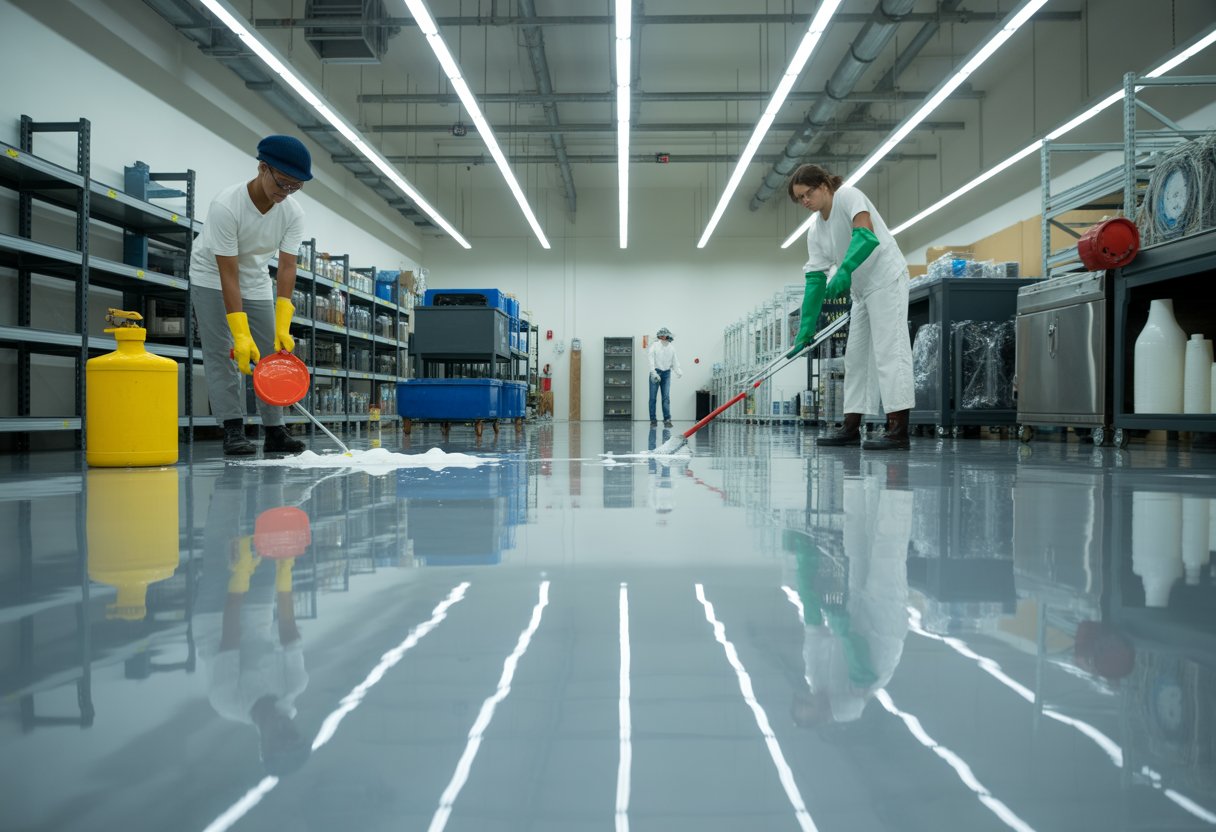
Epoxy resin flooring provides superior protection against chemical damage and liquid spills through its non-porous surface structure. This resistance makes it essential for environments where hazardous substances are present daily.
Protecting Against Harsh Substances
Epoxy resin floors create a seamless barrier that prevents chemicals from penetrating the surface. The dense molecular structure resists acids, alkalis, solvents, and oils commonly found in industrial settings.
Most epoxy systems can withstand exposure to:
- Strong acids (hydrochloric, sulphuric, nitric)
- Caustic solutions (sodium hydroxide, potassium hydroxide)
- Organic solvents (acetone, toluene, xylene)
- Petroleum products (diesel, hydraulic oils, petrol)
The non-porous surface prevents staining and makes cleanup straightforward. Spilled chemicals sit on top rather than soaking into the floor material.
Chemical resistance ratings vary by epoxy formulation. Specialised chemical-resistant epoxy systems offer enhanced protection for extreme environments where standard epoxy might fail.
Ideal Applications Requiring Resistance
Food processing plants benefit significantly from epoxy flooring’s chemical resistance. These facilities use strong cleaning agents and sanitising chemicals daily. The flooring must withstand repeated exposure to these substances whilst maintaining hygiene standards.
Laboratories require floors that resist chemical spills without compromising safety. Epoxy surfaces allow quick cleanup of hazardous materials and prevent contamination between different work areas.
Manufacturing facilities handling automotive fluids, paints, or pharmaceutical compounds rely on chemical-resistant epoxy flooring. The flooring protects the concrete substrate from damage whilst providing a safe working environment.
Retail spaces storing cleaning supplies or automotive products also benefit from this resistance, preventing costly floor replacement due to accidental spills.
Safety Benefits for Workplaces
Epoxy resin flooring creates safer working conditions through slip-resistant surfaces and clear visual guidance systems. These features reduce workplace accidents and help businesses meet health and safety requirements.
Anti-Slip Solutions for Hazardous Areas
Epoxy flooring systems incorporate anti-slip additives to create textured surfaces that prevent workplace accidents. These additives include silica sand, aluminium oxide, and polymer beads that get mixed into the epoxy coating.
The slip resistance rating can be customised based on the specific hazards in each area. Light texture works well for office spaces, whilst heavy-duty industrial areas need coarser additives for maximum grip.
Wet environments benefit most from anti-slip epoxy flooring. Chemical spills, water, and oils become less dangerous when floors maintain their grip even when wet.
Anti-static flooring options protect workers in electronics manufacturing and chemical processing facilities. These specialised epoxy systems prevent static electricity buildup that could cause sparks or equipment damage.
The seamless nature of epoxy floors eliminates trip hazards from uneven joints or damaged tiles. This smooth transition between areas reduces the risk of falls and injuries.
Enhanced Visibility and Markings
Epoxy flooring enables clear safety markings that improve workplace organisation and hazard awareness. Bright colours and reflective additives increase visibility in low-light conditions.
Safety zones can be marked directly into the floor using different coloured epoxy. Emergency exits, fire equipment locations, and hazardous areas become instantly recognisable to all workers.
Line markings for pedestrian walkways separate foot traffic from machinery operations. These permanent markings won’t fade or peel like painted lines on concrete floors.
High-gloss finishes reflect artificial lighting, making workspaces brighter and safer. Better visibility reduces eye strain and helps workers spot potential hazards more quickly.
Chemical-resistant properties ensure safety markings remain clear even after exposure to harsh cleaning products and industrial chemicals.
Cost-Effectiveness and Maintenance Advantages
Epoxy resin flooring delivers significant financial benefits through reduced cleaning requirements and exceptional long-term value. These floors require minimal upkeep whilst providing decades of reliable performance.
Lower Cleaning and Upkeep Requirements
Epoxy resin surfaces create a seamless, non-porous barrier that resists stains and spills. This smooth finish prevents dirt, grease, and chemicals from penetrating the floor material.
Daily cleaning becomes remarkably simple with basic mopping or sweeping. Unlike traditional concrete floors, epoxy doesn’t require expensive cleaning chemicals or specialised equipment.
Key maintenance advantages include:
- No waxing or polishing needed
- Stain resistance eliminates deep cleaning costs
- Chemical spills wipe away easily
- Reduced labour hours for cleaning staff
The seamless surface prevents bacteria and moisture buildup in joints or cracks. This feature particularly benefits food processing facilities and healthcare environments where hygiene standards are critical.
Most epoxy floors maintain their appearance for years without refinishing. Regular maintenance involves only basic cleaning supplies and standard equipment that facilities already own.
Long-Term Economic Value
Epoxy flooring typically lasts 15-20 years in industrial settings with proper installation. This longevity far exceeds many alternative flooring materials that require replacement every 5-10 years.
The initial investment pays for itself through reduced replacement costs. Businesses avoid frequent flooring disruptions that halt operations and require costly downtime.
Long-term savings come from:
- Extended lifespan reduces replacement frequency
- Lower maintenance costs over decades
- Reduced operational disruptions
- No need for expensive floor treatments
Energy costs decrease because epoxy’s reflective surface improves lighting efficiency. Facilities often reduce lighting requirements by 20-30% after installation.
The durability means businesses avoid emergency repairs from floor damage. This prevents unexpected expenses and maintains consistent operational budgets year after year.
Design Versatility and Aesthetic Appeal
Epoxy resin flooring offers extensive customisation possibilities and creates a seamless professional look that transforms industrial and retail environments. The floor coating provides businesses with numerous design options to match their branding whilst maintaining functionality.
Customisation and Branding Options
Epoxy resin floor coating comes in countless colour combinations and design patterns. Businesses can choose from solid colours, metallic finishes, or decorative flakes to match their brand identity.
Custom Design Features:
- Colour matching to corporate branding
- Logo integration directly into the floor surface
- Zone marking with different colours for safety areas
- Decorative aggregates for texture and visual interest
Retail spaces benefit from vibrant colours that attract customers and create specific atmospheres. Industrial facilities can use colour coding to designate work areas, safety zones, and traffic paths.
The floor coating can incorporate anti-slip additives without compromising appearance. This makes it practical for areas requiring both safety and visual appeal.
Pattern options include geometric designs, marble effects, and metallic swirls. These finishes help businesses create unique environments that stand out from competitors whilst maintaining professional standards.
Seamless, Professional Appearance
Epoxy resin creates completely smooth surfaces without joints or seams. This eliminates dirt traps and provides a uniform appearance across large areas.
The floor coating reflects light effectively, brightening spaces and reducing lighting costs. This reflective quality makes areas appear larger and more welcoming to customers and staff.
Professional Benefits:
- No grout lines or joints to collect debris
- Consistent colour and finish throughout
- High-gloss or satin finishes available
- Easy to clean appearance
The seamless nature prevents bacteria growth in retail food areas and industrial kitchens. Spills and contaminants cannot penetrate the surface, maintaining hygiene standards.
Epoxy resin floors maintain their appearance over time without showing wear patterns common in other flooring types. This keeps spaces looking professional with minimal maintenance requirements.
Frequently Asked Questions
Property owners often have specific questions about epoxy resin flooring performance in demanding environments. These concerns typically focus on durability in high-traffic areas, safety benefits, maintenance requirements, cost effectiveness, chemical resistance, and installation processes.
What are the main advantages of choosing epoxy resin flooring for high-traffic areas?
Epoxy resin flooring excels in high-traffic areas due to its exceptional durability and strength. It withstands heavy footfall, machinery, and vehicle traffic without cracking or chipping.
The seamless surface prevents dirt accumulation and bacteria growth. This makes cleaning simple and maintains hygiene standards in busy commercial spaces.
Epoxy floors resist stains from oils, chemicals, and spills commonly found in industrial environments. The non-porous surface prevents permanent damage from dropped items or heavy equipment.
How does epoxy resin flooring contribute to the safety of an industrial work environment?
The smooth, seamless surface of epoxy flooring eliminates trip hazards caused by uneven joints or cracks. Workers can move safely across the floor without worrying about catching their feet.
Epoxy floors can include anti-slip additives to improve traction in areas prone to spills. This reduces the risk of accidents in workshops and manufacturing facilities.
The chemical-resistant properties prevent dangerous reactions between floor materials and industrial substances. This creates a safer working environment for employees handling hazardous materials.
In terms of maintenance, how does epoxy resin compare to traditional industrial flooring options?
Epoxy resin flooring requires minimal maintenance compared to traditional concrete or vinyl floors. Regular sweeping and occasional mopping with mild detergent keeps the surface clean.
Traditional flooring often needs frequent repairs, replacements, and deep cleaning treatments. Epoxy’s non-porous surface prevents stains from penetrating, making spill cleanup immediate and simple.
The seamless design eliminates grout lines and joints where dirt typically accumulates. This reduces cleaning time and labour costs significantly over the floor’s lifespan.
What makes epoxy resin flooring a cost-effective solution for retail and industrial spaces?
The long lifespan of epoxy flooring reduces replacement costs over time. Quality installations can last decades with proper maintenance, providing excellent value for money.
Lower maintenance requirements translate to reduced labour and cleaning supply costs. Businesses spend less time and money on floor upkeep compared to traditional options.
Epoxy’s durability means fewer business interruptions for repairs or replacements. This maintains productivity and prevents revenue loss from operational downtime.
Can epoxy flooring withstand heavy machinery and chemical spills common in industrial settings?
Epoxy flooring demonstrates excellent resistance to chemicals, oils, fuels, and industrial solvents. The coating creates a barrier that prevents these substances from damaging the underlying concrete.
Heavy machinery and equipment cause no damage to properly installed epoxy floors. The surface distributes weight evenly and resists impacts that would crack other flooring materials.
Industrial-grade epoxy systems can handle extreme conditions including temperature fluctuations and continuous heavy use. These specialised formulations provide enhanced protection for demanding environments.
How does the installation process of epoxy resin flooring compare to other flooring types in terms of time and ease?
Epoxy installation typically requires less time than replacing traditional flooring materials. The process involves surface preparation, primer application, and epoxy coating without removing existing concrete.
Professional installation ensures proper surface preparation and curing times for optimal performance. The process minimises business disruption compared to extensive floor replacement projects.
Installation timing depends on space size and environmental conditions. Most commercial installations complete within days rather than weeks required for alternative flooring systems.
Need Epoxy Resin Flooring for Your Commercial Property?
Call: 0161 900 2744
Email: pashleyfloors@aol.com
Use Our Contact Form